


Motorcycles offer freedom and excitement to enjoy Georgia’s open roads. But with that freedom comes risk, and for riders in Georgia, one of the most important safety and legal considerations is whether you wear a helmet. Not only does a helmet protect your head in the event of a crash, but Georgia law also makes it clear helmets are not a choice; they’re required.
This guide explores how Georgia helmet laws impact motorcycle accident lawsuits, including issues of liability, compensation, and fault. Whether you are a rider, a passenger, or a family member seeking answers after an accident, understanding how helmet laws intersect with personal injury claims is essential.
Related Reading: Motorcycle vs. Car Accidents: Key Legal Differences You Should Know
Georgia Helmet Law: What You Need to Know
Georgia has one of the most comprehensive motorcycle helmet laws in the United States. Under O.C.G.A. 40-6-315, all motorcycle riders and passengers must wear helmets that comply with U.S. Department of Transportation (DOT) standards.
Is It Illegal to Ride a Motorcycle Without a Helmet in Georgia?
Yes. Georgia law makes helmet use mandatory for all operators and passengers; there are no exceptions for age, experience, or type of motorcycle.
What Does ‘DOT Compliant’ Mean?
A compliant helmet must have the DOT label certifying it meets Federal Motor Vehicle Safety Standard (FMVSS) No. 218. This ensures it provides adequate protection in the event of a crash.
Do You Need Eye Protection?
Yes, in addition to helmets, riders must wear eye protection such as a face shield or goggles unless the motorcycle is equipped with a windscreen.
Because of these requirements, Georgia’s helmet law (also referred to as the GA helmet law or the GA motorcycle helmet law) plays an important role in traffic enforcement and also in the outcome of accident claims.
Related Reading: Steps to Take After a Motorcycle Accident to Protect Your Rights in Georgia

Why Georgia Requires Helmets
The Georgia Department of Driver Services Motorcycle Operators Manual emphasizes that helmets are the most effective protective gear a rider can wear. Research shows that head injuries account for the majority of serious and fatal motorcycle injuries.
Wearing a helmet can help to:
- Reduces the risk of fatal head injuries.
- Prevents wind, debris, and insects from obstructing vision.
- Improves comfort during rides.
- Protects against unpredictable crashes that can happen even at low speeds.
A full-face helmet provides the greatest protection, but three-quarter and half helmets are also permitted if they meet DOT standards.
Motorcycle Accident Lawsuits in Georgia
When a motorcycle accident occurs, questions of liability and compensation often arise. Victims typically file a motorcycle accident lawsuit in Georgia to recover damages for medical bills, lost income, pain and suffering, and other losses. But helmet use, or lack thereof, can significantly affect the strength of your claim.
Does Helmet Use Affect Accident Claims?
Yes. Insurance companies and defense attorneys often argue that failing to wear a helmet contributed to the rider’s injuries. Even though Georgia requires helmet use, the impact on your case depends on the type of injury sustained.
- If you suffered head or brain injuries, not wearing a helmet may reduce the compensation you are entitled to because the defense can argue your injuries were more severe due to noncompliance.
- If you suffered leg, arm, or spinal injuries, helmet use may not be relevant because a helmet would not have prevented those injuries.
This distinction highlights why legal representation is so important; a skilled lawyer can demonstrate that helmet non-use should not affect compensation for injuries unrelated to the head.
Georgia Helmet Law Accident Liability
Helmet use can be factored into liability determinations under Georgia’s modified comparative negligence system. This means:
- If you are found 50% or more at fault, you cannot recover compensation.
- If you are found less than 50% at fault, your compensation is reduced in proportion to your fault.
For example:
- A rider not wearing a helmet sustains a traumatic brain injury in a crash caused primarily by a distracted driver.
- The court may determine the driver is 80% at fault and the rider 20% at fault for failing to wear a helmet.
- If the damages total $500,000, the rider would recover $400,000 instead of the full amount.
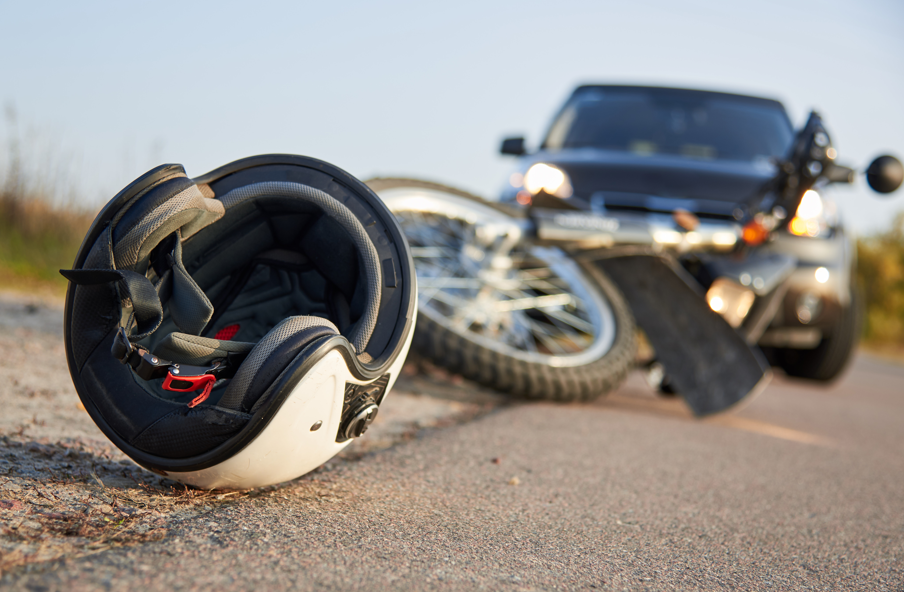
Georgia Motorcycle Accident Fault Rates
Georgia follows an at-fault system for traffic accidents. This means the person who caused the crash (or their insurance company) is responsible for paying damages.
Factors considered in fault determinations include:
- Driver negligence (e.g., speeding, distracted driving, DUI).
- Roadway conditions and signage.
- Motorcycle compliance with Georgia helmet law and safety regulations.
- Whether riders were following traffic rules.
While helmet use is not the sole deciding factor, noncompliance with GA helmet law can weaken a claim, especially when head injuries are central to the case.
Can You Sue If Not Wearing a Helmet?
One of the most common questions riders ask is: “Can you sue if you’re not wearing a helmet?” The answer is yes. You can still bring a motorcycle accident lawsuit in Georgia, even if you were not wearing a helmet. Georgia courts recognize that the primary cause of an accident is usually another driver’s negligence, not helmet use.
However, the amount of compensation you receive may be reduced if your lack of a helmet worsened your injuries. This makes it especially important to have an experienced attorney who can argue that:
- The crash was primarily caused by the other driver.
- Certain injuries would have occurred regardless of helmet use.
- You are still entitled to fair compensation under Georgia law.
Motorcycle Accident Compensation in Georgia
If you are injured in a motorcycle crash, you may be eligible for motorcycle accident compensation through a personal injury claim. Typical damages include:
- Medical expenses: emergency treatment, surgeries, rehabilitation, and long-term care.
- Lost wages: including reduced earning capacity if injuries prevent you from returning to work.
- Pain and suffering: both physical pain and emotional trauma.
- Property damage: repair or replacement of your motorcycle.
- Wrongful death damages: available to families when a loved one is killed in a crash.
Whether you were wearing a helmet or not, an attorney can help ensure insurance companies do not unfairly deny or undervalue your claim.
Related Reading: How Do You Calculate Pain and Suffering in a Personal Injury Claim?
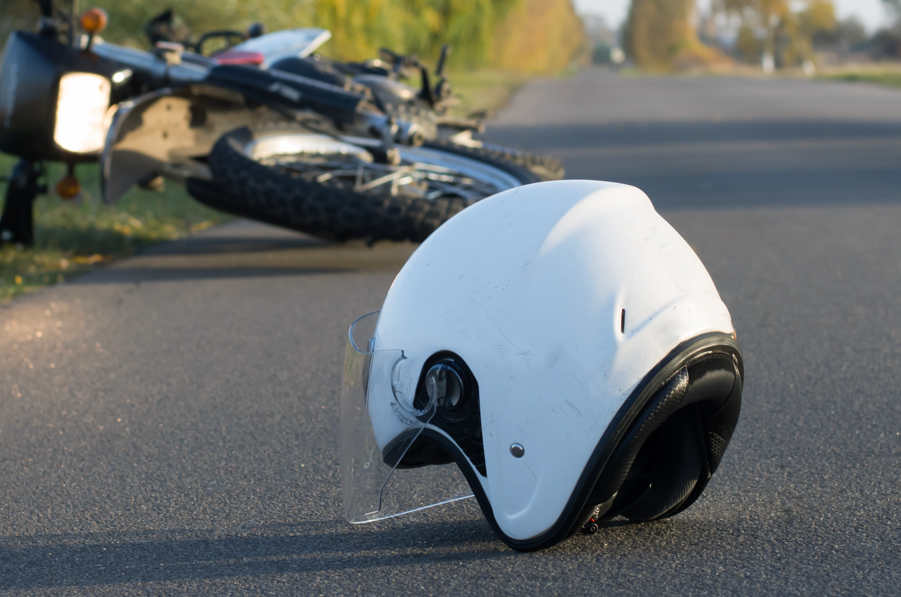
Why Legal Help Is Crucial
Motorcycle accidents can be devastating, leading to life-changing injuries and complex legal battles. Navigating Georgia helmet law accident liability while seeking motorcycle accident compensation requires in-depth knowledge of:
- Georgia traffic statutes.
- Comparative fault rules.
- Personal injury litigation strategies.
How The McGarity Group’s Attorneys Can Help
The attorneys at The McGarity Group provide comprehensive legal support to motorcycle accident victims in Georgia, guiding clients through every stage of the claims process.
They thoroughly investigate accidents, often collaborating with medical professionals and accident reconstruction experts to establish a clear understanding of how the crash occurred. Their legal team works diligently to build strong cases demonstrating that another driver’s negligence, rather than helmet use, was the primary cause of the injuries sustained.
Additionally, they advocate aggressively on behalf of their clients during insurance negotiations and are fully prepared to take cases to court when necessary, ensuring riders receive the compensation they are entitled to under Georgia law.
Related Reading: Motorcycle Safety Can Save Lives
Protecting Your Rights After a Motorcycle Accident
Motorcycle accidents can change lives in an instant. While helmets save lives and are required under Georgia motorcycle helmet law, their role in personal injury claims is complex. Even if you were not wearing a helmet, you may still be entitled to substantial compensation.
At The McGarity Group, we understand both the legal complexities of helmet laws and the real-world impact of motorcycle accidents. Our attorneys are dedicated to ensuring injured riders and their families receive the justice and compensation they deserve.
If you or a loved one has been injured in a motorcycle accident in Georgia, contact The McGarity Group today for a consultation.